
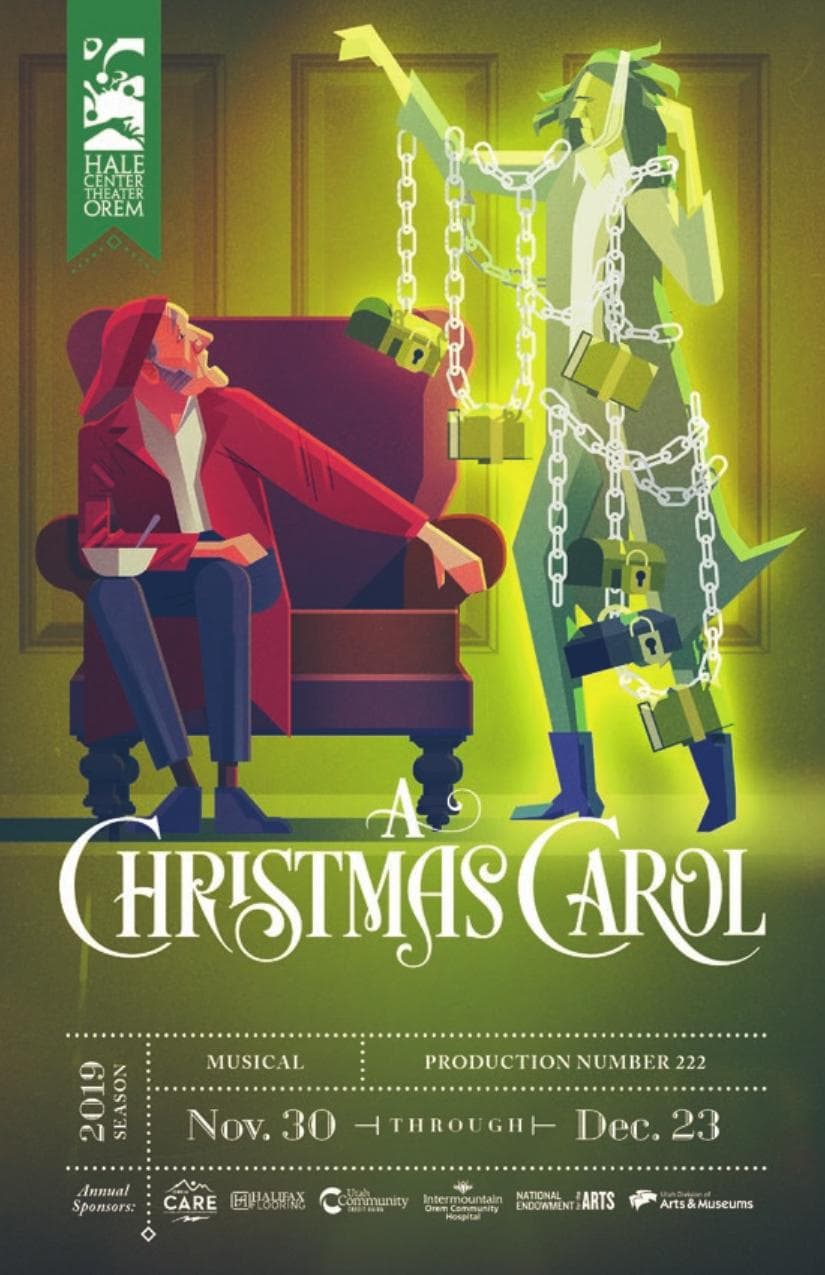
A Christmas Carol

Nov 30, 2019 – Dec 23, 2019
A Christmas Carol at Hale Center Theater Orem (Hale Center Theatre Orem). Run dates: Nov 30, 2019 – Dec 23, 2019. Closed. Cast, crew, posters, and production history from this Utah staging.
Dramaturg note (Dr. Christopher Clark, excerpt): Charles Dickens’ A Christmas Carol is so beloved that it’s appeared as theatre, television, film, radio, and even as a graphic novel. What is there left to learn about this story? A lot, actually. And I’m here to answer your burning questions! What are these people talking about? The word humbug is good place to start. In Dickens’ day, humbug meant nonsense. Gibberish. Foolishness. Certainly apt for the way Scrooge describes Christmas and those who celebrate it. Dig a little deeper, though, and the word has ghostlier origins. Hum comes from the Norse word meaning “night” or “shadow.” Bug is a variant of the word bugge, meaning “apparition.” In using the word humbug, Ebenezer is calling Christmas a hoax. But is he also unknowingly predicting the ghoulish spectres who will soon appear in his bed chamber? Dickens describes Jacob Marley, in one of the most famous opening lines ever written, as being “dead as a doornail,” a phrase we still use today. But Dickens didn’t coin the phrase. Shakespeare had used it two centuries earlier in King Henry VI, Part Two. But here’s a surprise...Shakespeare didn’t coin it either. The phrase has been in use since the 1300’s, when coffinmakers pounded the nails in lids twice: both vertically and horizontally, for a more secure, tighter fit. So Jacob Marley is not only dead, he’s super dead. Here’s a few more. The narrator tells us that Ebenezer Scrooge keeps his office so cold that he even “iced it in the dog-days,” meaning his office was frigid even in sweltering August. Fezziwig tells Dick and Ebeneezer to put up some shutters “before a man can say Jack Robinson.” Who, now? Jack Robinson was a lawyer who was famous for convicting men, transferring them to jail, and executing them all in the same day. Fezziwig is telling the boys to be speedy. Run November 30–December 23, 2019 (dates supplied for import). Program PDF: HCT_222.
Cast
59 in the cast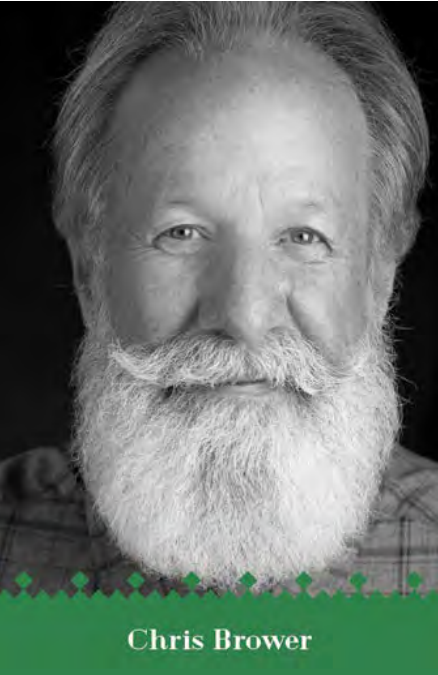



























Reviews & coverage
Professional coverage when we have links, a quick web search when we don't, and optional audience ratings from signed-in visitors.
Publication & critic links
No curated publication links yet.
Search the web for reviews
Opens Google in a new tab using this show's title and theatre context (results are not vetted by UTDb).
Search for reviews (Google)